
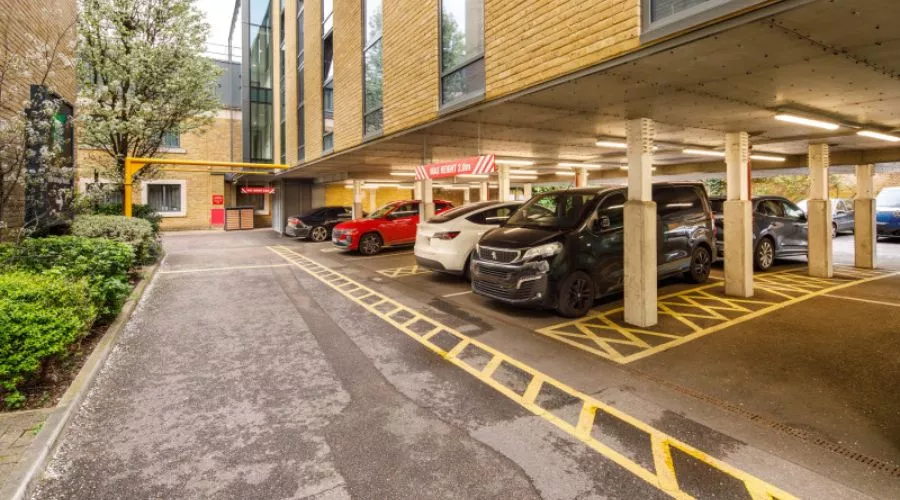
Visiting popular UK attractions should be about enjoying the experience—not stressing over where to leave your car, circling crowded streets, or worrying about fines. Yet for many visitors, parking near attractions becomes the most frustrating part of the day.
Locals, on the other hand, rarely deal with this chaos. They know where not to park, when to avoid certain streets, and how to secure a space without paying inflated prices or risking penalties.
In this guide, we’ll break down what locals do differently when parking near UK attractions, why tourist parking often goes wrong, and how you can park smarter—whether you’re visiting landmarks, museums, stadiums, theme parks, or city hotspots.
Why Parking Near Attractions Is So Difficult in the UK
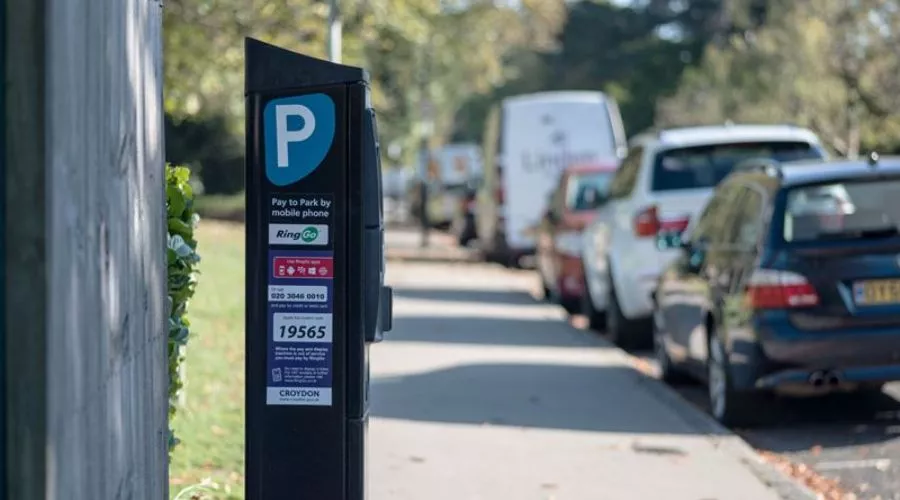
The UK’s most visited attractions—think city landmarks, historic sites, stadiums, and cultural hubs—are usually located in dense urban areas that were never designed for modern traffic volumes.
Here’s why parking near landmarks becomes tricky:
- Limited on-street parking due to congestion control
- Strict enforcement in tourist-heavy zones
- Resident-only parking permits
- Short stay limits (30–60 minutes)
- High demand during weekends, holidays, and events
For tourists unfamiliar with local rules, this often leads to parking fines, towing, or long walks from expensive car parks.
Locals avoid these pitfalls entirely—and here’s how.
Why Locals Avoid On-Street Parking Near Attractions
One of the biggest differences between locals and visitors is this: locals rarely rely on on-street parking near attractions.
1. High Risk of Parking Fines
City centres and tourist zones are packed with:
- Resident permit bays
- Loading-only zones
- Timed restrictions
- Clearways and bus lanes
A single missed sign can result in a £60–£130 parking fine, often issued within minutes.
Locals know enforcement is strict and constant—especially near landmarks.
2. Time Limits That Ruin Your Day
Even when on-street parking is allowed, it’s usually capped at:
- 30 minutes
- 1 hour
- 2 hours max
That’s rarely enough time to explore an attraction, have lunch, or queue for entry. Locals avoid these spots because they don’t want to keep checking the clock.
3. Competition From Tourists
Popular streets near attractions fill up early—sometimes by 8–9am. Locals know that finding a free on-street space after that is pure luck, not strategy.
Where Locals Actually Park Near Busy UK Landmarks
Instead of gambling with on-street bays, locals use alternative parking strategies that are cheaper, calmer, and more reliable.
1. Private Driveways and Reserved Spaces
One of the most common local tactics is parking on:
- Residential driveways
- Private car parks
- Off-street spaces owned by locals or businesses
These spaces are often located 5–10 minutes’ walk from major attractions and cost less than city car parks.
Locals prefer these because they’re:
- Clearly marked
- Less likely to be enforced
- Available for longer stays
2. Slightly Outside the “Tourist Ring”
Locals rarely park directly next to landmarks. Instead, they park:
- One or two streets away
- In nearby residential zones
- Close to public transport links
This avoids peak congestion and reduces the chance of fines.
A 7–10 minute walk is a small trade-off for stress-free parking.
3. Pre-Booked Spaces Near Attractions
Locals don’t drive around hoping for a space. They pre-book parking near attractions, especially during busy periods.
This guarantees:
- Availability
- Clear pricing
- Legal parking
- No rushing back to the car
Tourist Parking vs Local Parking: The Key Differences
| Tourist Parking Habits | Local Parking Habits |
| Drive in without a plan | Pre-book in advance |
| Rely on on-street bays | Use private/off-street spaces |
| Park as close as possible | Park slightly further, smarter |
| Pay premium car park rates | Choose better-value options |
| Risk fines unknowingly | Avoid restricted zones |
This difference alone explains why locals rarely get fined—and tourists often do.
Is Private Parking Cheaper Near Tourist Areas?
Surprisingly, yes—especially when compared to:
- City centre car parks
- Attraction-operated parking
- On-street fines
Private parking spaces near tourist areas often offer:
- Hourly, daily, or flat rates
- No hidden charges
- Longer stay options
- Better availability during peak times
In many UK cities, private spaces cost 20–40% less than traditional car parks near attractions.
And because they’re pre-booked, there’s no wasted fuel or time driving around.
Can You Pre-Book Parking Near Attractions?
Absolutely—and this is one of the biggest advantages locals take for granted.
Pre-booking allows you to:
- Secure parking before you leave home
- Compare prices and distances
- Choose parking based on your schedule
- Avoid peak pricing surprises
Using platforms like JustPark, drivers can search for parking near attractions, landmarks, and tourist areas across the UK—often with better value and clearer terms than on-street or council car parks.
This is especially useful for:
- School holidays
- Weekends
- Bank holidays
- Major events
How to Avoid Parking Fines in Tourist Hotspots
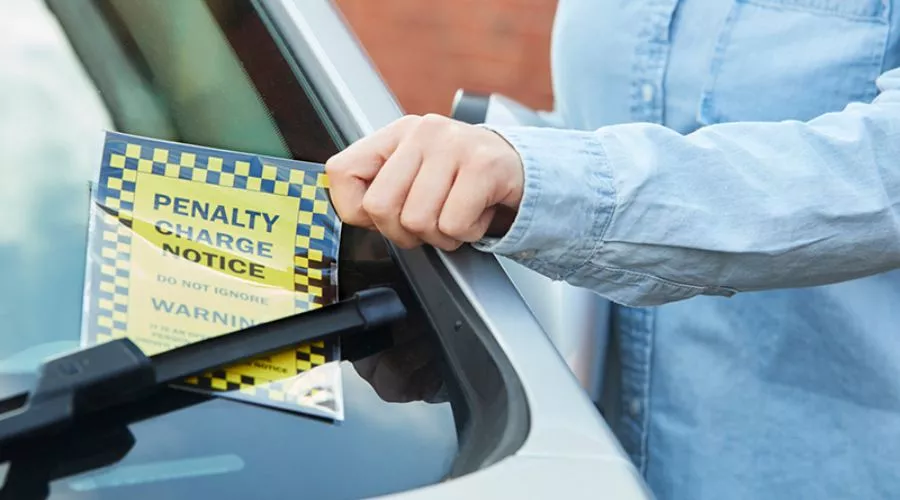
Parking fines are one of the most common complaints among visitors. Locals avoid them by following a few simple rules.
1. Don’t Trust “Looks Okay” Parking
If a space looks empty but signage is unclear, locals skip it. Tourist areas are filled with restrictions that change by time and day.
2. Avoid Resident Permit Zones
Many streets near attractions are permit-only—even if they appear open. Locals know these zones are heavily enforced.
3. Don’t Assume Sundays Are Safe
Contrary to popular belief, parking restrictions often apply on Sundays in major cities and tourist zones.
4. Use Clearly Marked Private Parking
Private parking spaces clearly state:
- Who can park
- For how long
- At what cost
This removes all ambiguity and fine risk.
Parking Near Different Types of UK Attractions
City Landmarks & Museums
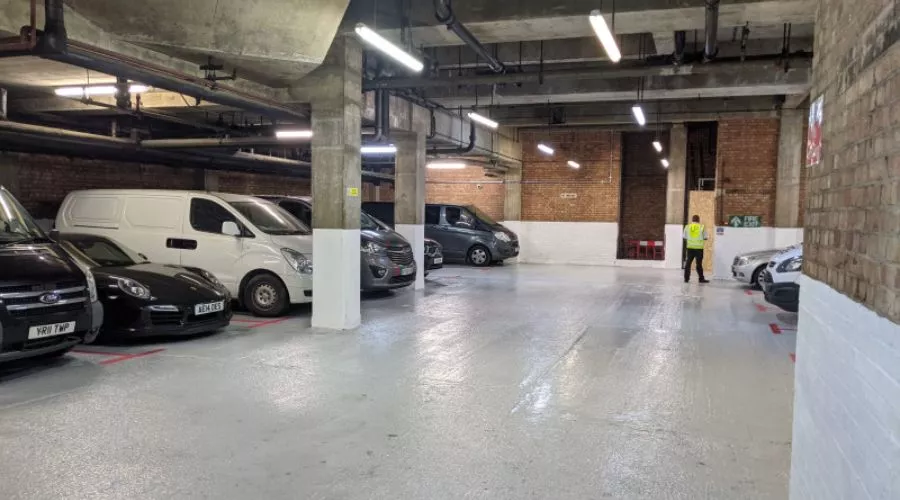
- Avoid central on-street parking
- Look for residential or private spaces nearby
- Pre-book for weekends
Stadiums & Arenas
- Parking fills up fast on event days
- Locals book spaces 2–7 days in advance
- Slightly longer walks save money and time
Theme Parks & Tourist Sites
- Attraction car parks are convenient but expensive
- Nearby private parking often offers better value
Historic Town Centres
- Narrow streets, strict enforcement
- Locals park outside and walk in
When You Should Always Pre-Book Parking
Locals almost always pre-book parking when:
- Visiting attractions during peak season
- Attending events or festivals
- Staying longer than 2 hours
- Driving into unfamiliar cities
This removes guesswork and avoids last-minute stress.
Final Thoughts: Park Like a Local
Parking near popular UK attractions doesn’t have to be stressful or expensive. Locals don’t rely on luck—they rely on planning, flexibility, smarter choices and JustPark
By avoiding on-street parking, using private spaces, and pre-booking where possible, you can enjoy your visit without worrying about fines, towing, or wasted time.
Parking like a local means spending less time searching and more time exploring—which is exactly how it should be.
FAQs