
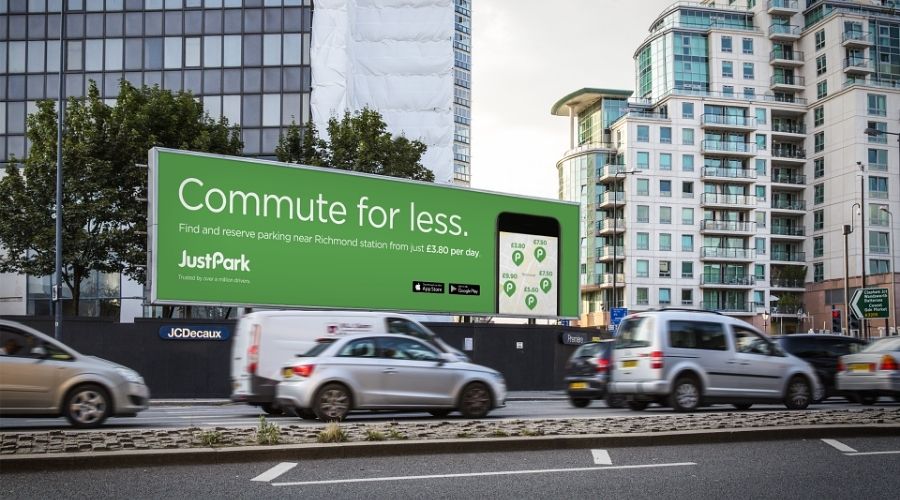
Most parking apps are quietly, unapologetically urban creatures. They thrive on city-centre postcodes, commuter belt train stations, and airport drop-off zones — and completely fall apart the moment you type in a Cornish fishing village or a Peak District trailhead. The assumption has always been that rural and coastal parking solves itself through empty fields, patient locals, and sheer good luck. In reality, peak-season coastal Britain is a gridlocked, temper-fraying, parking-fine-generating battlefield that deserves a smarter solution. JustPark’s growing network suggests that solution already exists — and it reaches considerably further than most drivers realise.
How Far Does JustPark’s Network Actually Reach?

The honest answer surprises most people who assume JustPark is primarily a city product. The platform’s listings extend well beyond urban postcodes precisely because its model — connecting drivers with private space owners — scales naturally into areas where traditional car parks simply don’t exist or don’t have nearly enough capacity during peak periods.
Rural coverage works differently from urban coverage, and understanding that distinction matters. In cities, you’re largely booking spaces in purpose-built car parks, commercial premises, and high-density residential areas. In rural and coastal locations, JustPark’s inventory is predominantly made up of private driveways, farmland spaces, residential gardens, and community-owned land — all listed by owners who recognise that demand dramatically outstrips supply on a sunny August bank holiday weekend.
Cornwall is an instructive example. Coastal villages like St Ives, Padstow, and Mousehole attract visitor numbers that their Victorian-era road infrastructure was never remotely designed to accommodate. Traditional council car parks fill within minutes of opening on peak summer days, leaving latecomers circling endlessly through narrow lanes while their ice cream melts and their patience evaporates. JustPark spaces in these areas — often driveways within walking distance of the harbour or beach — offer pre-bookable alternatives that remove the circling entirely. You arrive knowing exactly where you’re going, at a price you’ve already agreed, without competing with forty other vehicles for the last remaining space in a council car park half a mile further away than advertised.
The same dynamic applies across the South West, North Yorkshire, the Cotswolds, and Snowdonia — anywhere that tourism concentration dramatically exceeds parking infrastructure during holiday seasons. Locals who rarely use their driveways between Tuesday and Thursday in October find themselves with genuinely valuable assets on a Saturday in July, and JustPark connects that latent capacity directly to drivers who need it most urgently.
Coastal Towns, National Parks, and the Peak Season Parking Problem
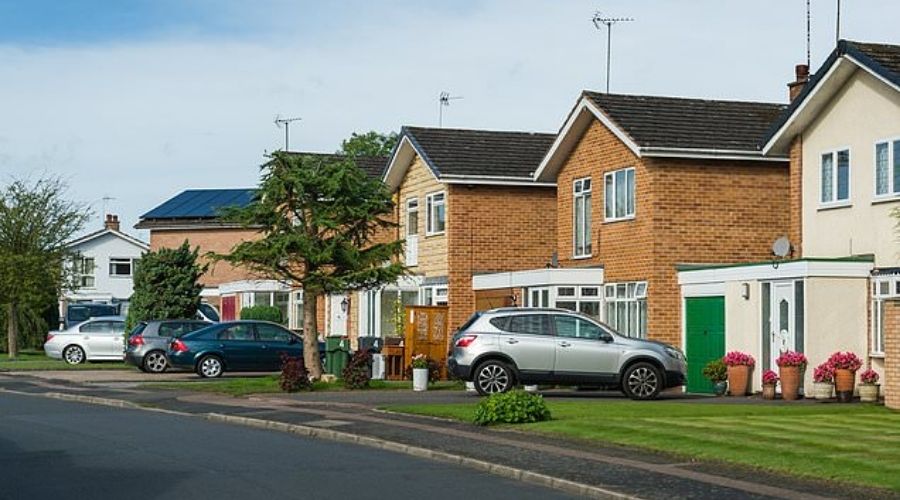
Coastal Britain in summer operates on very different conditions. Roads that feel calm in winter become congested in peak season, and car parks that serve locals in quieter months quickly become insufficient during holidays. Arriving without a booked space often leads to stress, delays, and sometimes penalty charges from strict enforcement.
National parks face similar pressure. Places like the Lake District, Dartmoor, the Brecon Beacons, and the Yorkshire Dales struggle with high visitor numbers, with official car parks filling early and roadside parking often restricted or fined. The balance between conservation, residents, and tourism makes parking especially limited in peak periods.
Just Park helps by unlocking private parking spaces that already exist in these busy areas. A farmhouse near a Lake District trail or a spare driveway in a coastal village can become a practical alternative to crowded public car parks, offering real convenience for visitors and income for owners.
Pre-booking in these areas is less about luxury and more about avoiding uncertainty, turning arrival into a smooth experience instead of a time-consuming search.
The Practical Guide to Using JustPark Beyond the City
Getting the most from JustPark’s rural and coastal coverage requires a different approach than city parking. In cities, same-day booking often works because availability stays fairly steady. In coastal and rural areas during peak season, however, booking in advance is strongly recommended and sometimes essential.
For popular beaches in July and August, searching and reserving a few days ahead greatly improves both choice and pricing. Early planning lets users compare spaces by distance and convenience, and removes the stress of last-minute uncertainty. Filters for date, duration, and radius make it easier to secure a spot near busy destinations like Cornish beaches during peak weekends.
Reviews are also more important in rural settings. Unlike standard city parking, private spaces can vary in access, surface quality, and walking distance. Verified driver feedback helps clarify whether a narrow lane is suitable or how close the space really is to the destination.
For frequent visitors, saving preferred spaces in the app helps speed up future bookings and ensures better access to high-demand spots before they sell out.
Conclusion
JustPark’s rural and coastal coverage isn’t as dense as in cities, with some remote areas still lacking listings where no supply exists. However, it’s broader and more useful than many expect and continues to grow as more space owners join. For coastal or countryside trips, checking JustPark early—not last minute—often saves time, stress, and potential parking fines.