
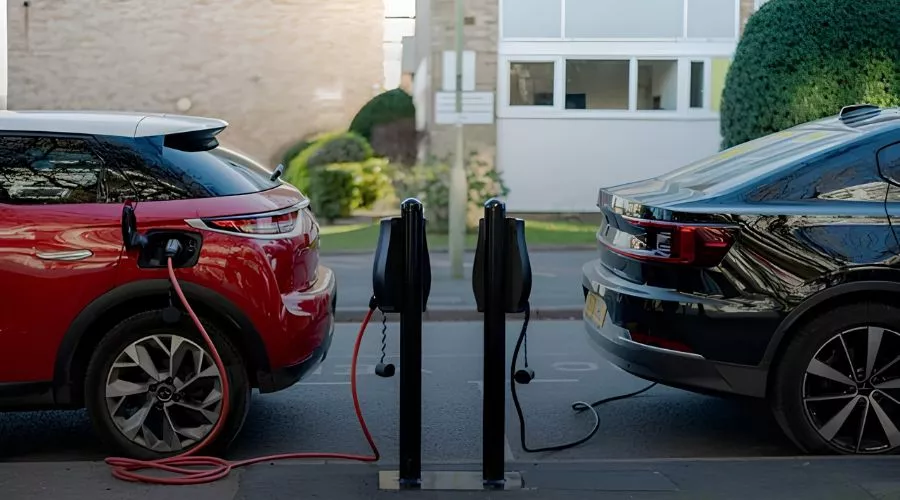
There’s a quietly persistent myth circulating among new electric vehicle owners that an EV badge is essentially a golden parking ticket — that councils, in their enthusiasm for the green transition, have thrown open their car parks and streets to electric vehicles free of charge, indefinitely, and without restriction. It’s a lovely idea. It’s also, in 2026, increasingly, demonstrably wrong. The rules around EV parking in the UK have shifted considerably, and driving into the situation uninformed is a reliable way to return to your vehicle and find a penalty charge notice tucked under the wiper.
The Rise and Gradual Fall of Free EV Parking in the UK
There was a genuine golden era for EV parking perks. In the early 2010s, forward-thinking councils across the UK introduced free parking incentives specifically to encourage electric vehicle adoption. London boroughs were particularly generous — Westminster, Kensington, Camden, and others offered EV drivers complimentary parking bays, dedicated charging spaces, and exemptions from resident permit fees. It felt like infrastructure policy finally catching up with environmental ambition.
Fast forward to 2026, and the landscape has changed substantially. The majority of London boroughs have quietly phased out blanket free EV parking exemptions as electric vehicles have moved from niche novelty to mainstream choice. Westminster removed its free EV parking scheme back in 2020. Camden followed. Most other central London boroughs have since restructured their EV parking policies to reflect the simple reality that a Tesla parked on a double yellow line is still parked on a double yellow line, regardless of what powers its drivetrain.
Outside London, the picture varies considerably by council. Some local authorities still offer partial incentives — reduced resident permit fees for EV owners, free short-stay periods in council car parks, or priority access to dedicated charging bays. But these are increasingly exceptions rather than the rule, and assuming your postcode still qualifies without checking is precisely the kind of optimistic thinking that generates penalty charge notices.
The fundamental shift in policy logic is straightforward: free EV parking made sense as an adoption incentive when EVs represented a tiny fraction of registered vehicles. With electric cars now accounting for a significant and growing share of UK registrations, councils no longer have the financial or logistical justification to maintain blanket exemptions. The incentive worked. The incentive is now being withdrawn.
Dedicated EV Bays, Charging Spots, and Where the Rules Get Complicated
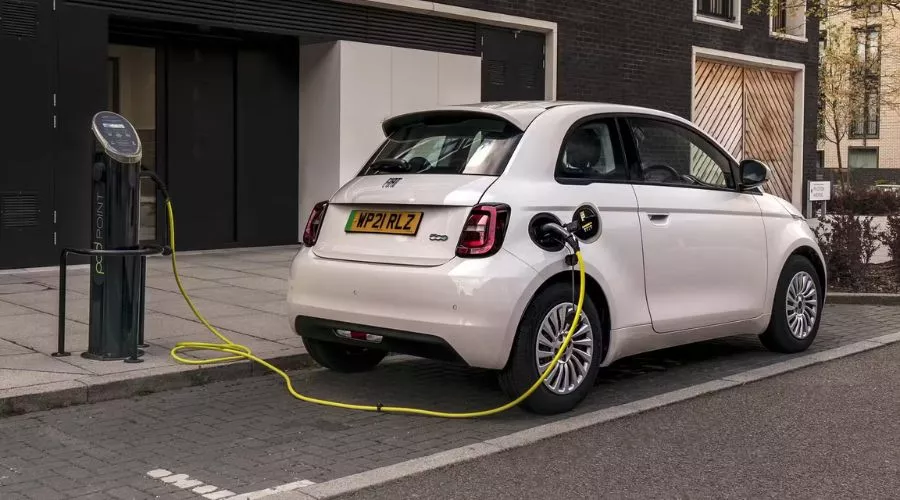
This is where EV parking rules become genuinely nuanced and where uninformed drivers most frequently fall foul of penalty charges.
Dedicated EV charging bays — those marked with charging infrastructure and reserved specifically for electric vehicles — come with their own specific rules that vary by location and operator. In most cases, these bays are intended for vehicles that are actively charging. Parking an electric vehicle in a dedicated EV charging bay without plugging in is, in many locations, a fineable offence. The bay exists for charging access, not simply for EV-owner convenience. Some councils and private operators now issue penalty charges specifically for EV bay misuse — a nuance that catches even experienced EV drivers off guard.
Non-charging EV bays — spaces designated for electric vehicles but not equipped with charging infrastructure — are rarer and their rules differ again depending on the managing authority. Some permit standard EV parking for a fixed period, others have been quietly converted back to general-use bays as EV ownership has normalised.
The broader lesson is this: the badge on your car’s boot does not override parking restrictions. Double yellow lines, loading restrictions, resident permit zones, and pay-and-display requirements apply to electric vehicles exactly as they apply to petrol and diesel cars. An EV parked illegally receives the same penalty charge notice as any other vehicle — and appealing on the grounds that your car is electric is not a recognised exemption in any current UK council enforcement framework.
For EV drivers navigating unfamiliar areas, using a reliable platform to pre-book a confirmed, legal parking space eliminates this uncertainty entirely. Just Park’s extensive network of bookable spaces across the UK includes options near charging infrastructure, in residential areas, and across city centres — giving EV drivers the ability to plan ahead rather than circling blocks hoping for a compliant bay.
What EV Drivers Should Actually Do in 2026
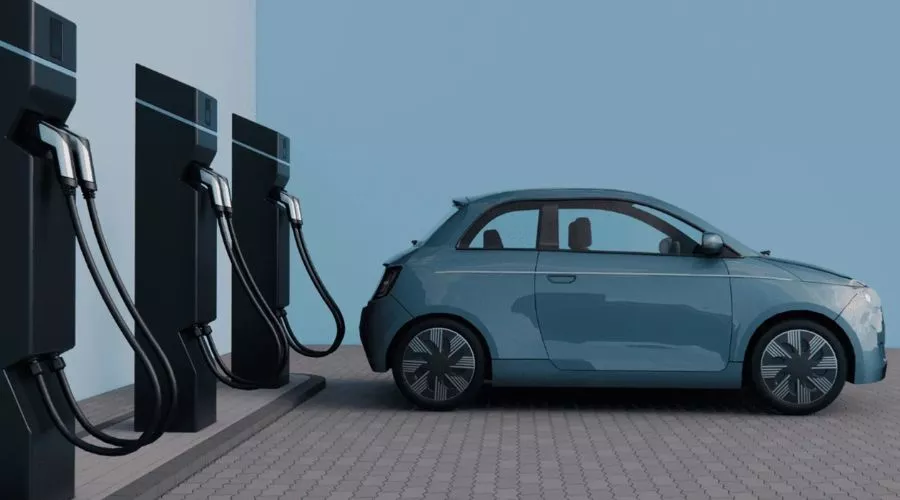
The practical approach to EV parking in 2026 is straightforward: treat parking exactly as you would in a conventional vehicle, and layer EV-specific considerations on top rather than assuming they replace standard rules entirely.
Check your specific council’s current EV parking policy before assuming any exemption applies — these policies update frequently and what was true eighteen months ago may no longer be accurate. If you require charging, book a space with confirmed charging access in advance rather than relying on finding an available public bay on arrival. If you’re parking in a dedicated EV bay, plug in — both because it’s the intended use and because it protects you from misuse penalties.
Pre-booking through platforms like Just Park removes the single biggest source of EV parking stress: uncertainty. A confirmed space, clearly described, with accurate location details and verified reviews from other drivers, is infinitely preferable to the increasingly risky assumption that your electric vehicle earns you special treatment from a parking enforcement officer who has seen every appeal imaginable.
Conclusion
Electric vehicles are brilliant. Free, unrestricted parking for electric vehicles in the UK is, in most locations, a thing of the past. The rules are council-specific, frequently updated, and enforced without the sentimental exceptions early EV adopters once enjoyed. Know your local regulations, pre-book wherever possible, and resist the myth that going electric means parking problems simply disappear — because in 2026, the penalty charge notices are very much electrically neutral.