Best-Selling Plasterboard: Tried and Tested Options
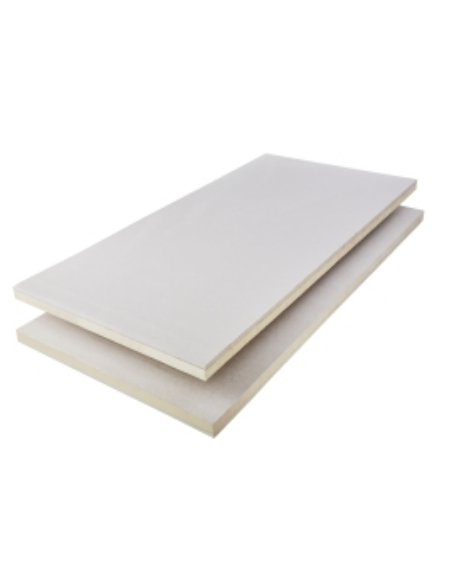
Thermaline PIR Tapered Edge-insulated Plasterboard
This plasterboard is designed for excellent insulation, combining a standard board with high-performance foam. It’s perfect for both new projects and renovations, helping to keep heat in your walls, ceilings, and even around windows. It also has two built-in layers to stop moisture, making your home more energy-efficient and comfortable.
This fire-resistant, insulated plasterboard is a top seller because it’s a two-in-one solution. It combines excellent fire protection with high-performance insulation to keep heat in. It’s ideal for walls, ceilings, and even around windows in new builds or renovations, helping to significantly reduce heat loss.
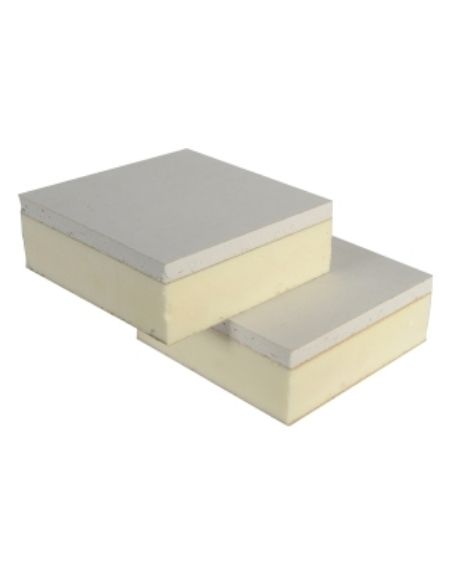
This basic insulated plasterboard is a best-seller for simple thermal upgrades. It’s factory-bonded with expanded polystyrene for a good level of insulation, making it perfect for quickly improving the warmth of walls and ceilings in both old and new buildings. It’s a durable, cost-effective way to reduce heat loss.
This fire-resistant plasterboard is a top choice when increased fire protection is the main goal. It has a special gypsum core with glass fibre, making it stronger against fire. It’s widely used for creating fire-rated walls, ceilings, and even encasing structural steel, ensuring essential safety in various constructions.
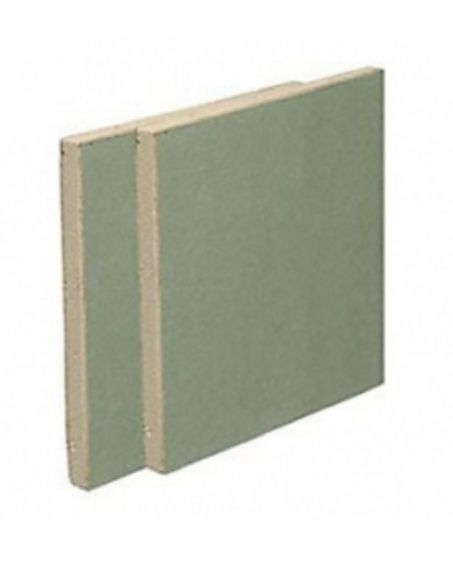
This moisture-resistant plasterboard is a popular seller because it’s built to handle damp conditions. With silicone additives and water-repellent liners, it’s perfect for bathrooms and kitchens where humidity is high. It absorbs very little water, offering strong protection against moisture while also providing fire and sound insulation.
This advanced, insulated, and moisture-resistant plasterboard is a best-seller for projects needing a significant upgrade. It combines robust thermal insulation from rigid foam with moisture resistance, preventing condensation. It’s an excellent choice for major renovations or new builds where you need high performance for both warmth and damp protection over a large area.